The research
behind it.
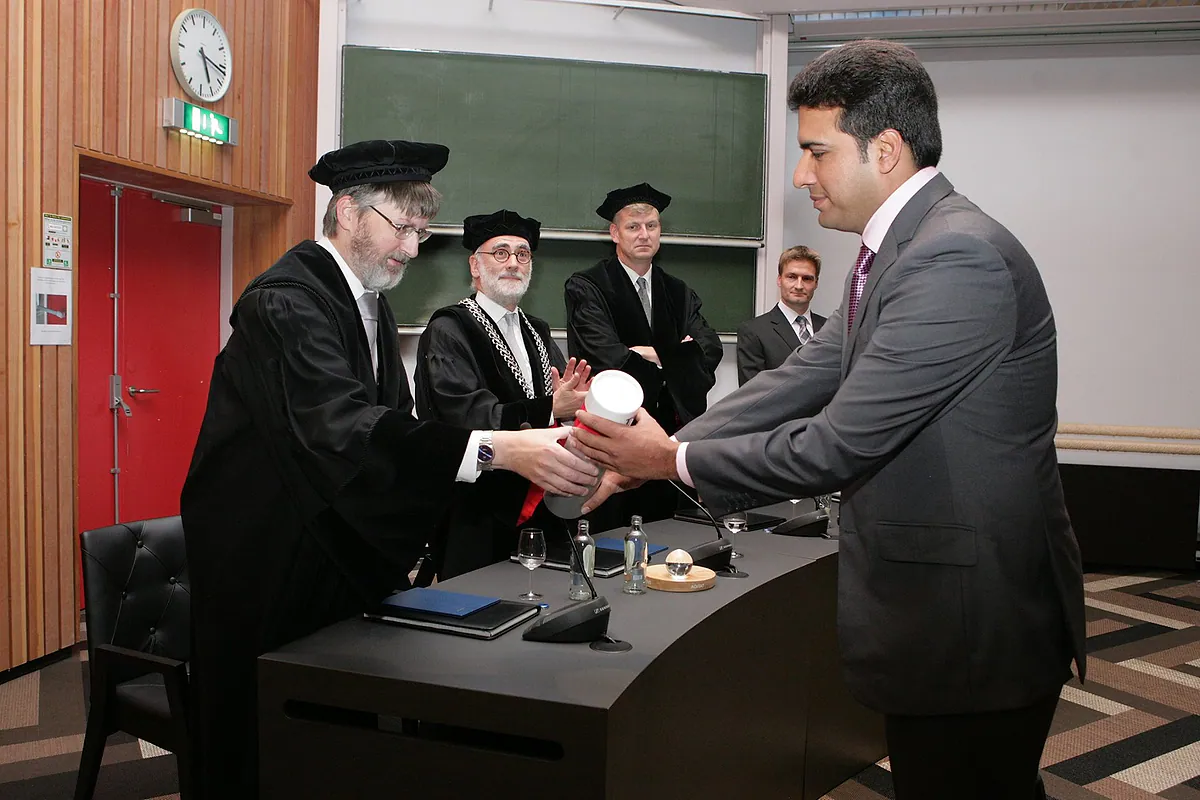
His work on fair machine learning began with his 2011 doctorate. His papers have 7,420 citations on Google Scholar, and he was lead author on the papers behind two of the nine original methods in IBM’s AI Fairness 360.
His research in numbers
citations on Google Scholar, 5,576 of them since 2021
h-index: 25 papers cited at least 25 times each
of the nine original methods in IBM’s AI Fairness 360 come from papers he led
Google Scholar, November 2026.
In IBM’s fairness toolkit.
AI Fairness 360 is IBM’s open-source library for finding and reducing bias in machine learning. Two of its nine original methods come from papers on which he was lead author: one fixes the data before a model learns from it, the other fixes a model’s decisions after.
Reweighing
In AI Fairness 360Before training: it reweights the data so a model learns without the bias in it.
“Data preprocessing techniques for classification without discrimination”, Kamiran and Calders. Knowledge and Information Systems, 2012. 2,536 citations.
Reject Option Classification
In AI Fairness 360After training: it corrects the decisions a model is least sure about, where bias does most harm.
“Decision theory for discrimination-aware classification”, Kamiran, Karim and Zhang. IEEE International Conference on Data Mining, 2012. 682 citations.
What he works on.
Most of his work asks the same question: when a machine makes a decision about people, is it fair, and does it work in their language and their city?
Fair machine learning
Methods that keep automated decisions from discriminating, from his doctorate at TU Eindhoven to uplift models in 2025.
Urdu and Roman Urdu language technology
Text normalisation, hate-speech detection, speech synthesis and adapting large language models to the languages Pakistanis write in.
Crime analytics and public safety
Crime pattern detection and policing analytics with the Government of the Punjab, through the lab he founded at ITU.
Health and public data
Disease-outbreak prediction, dengue control and mapping harassment on Lahore’s Metro Bus with the World Bank Group.
Selected papers.
The full list, with co-authors, is on Google Scholar, DBLP and ORCID. Citations as of November 2026.
The labs he built at ITU.
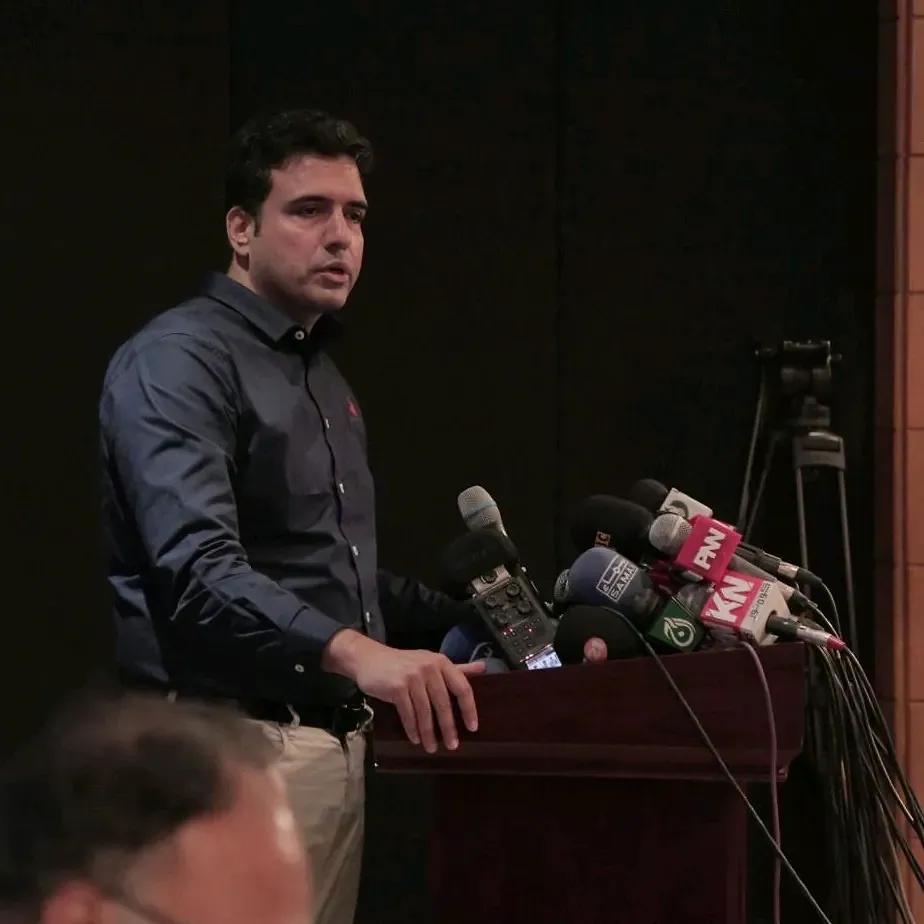
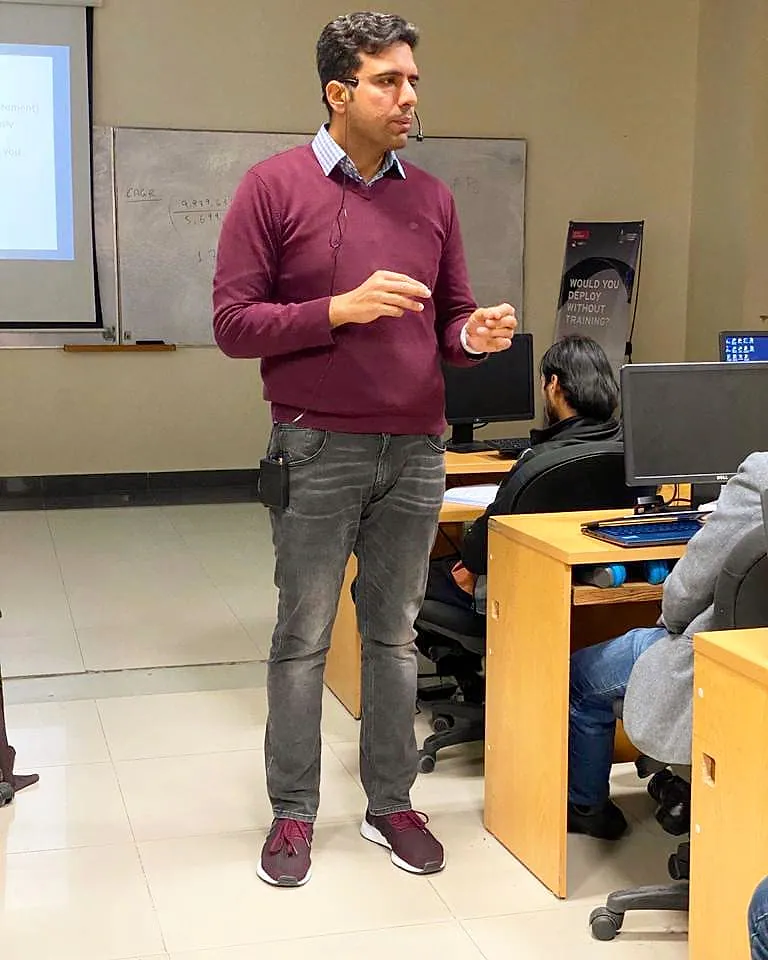
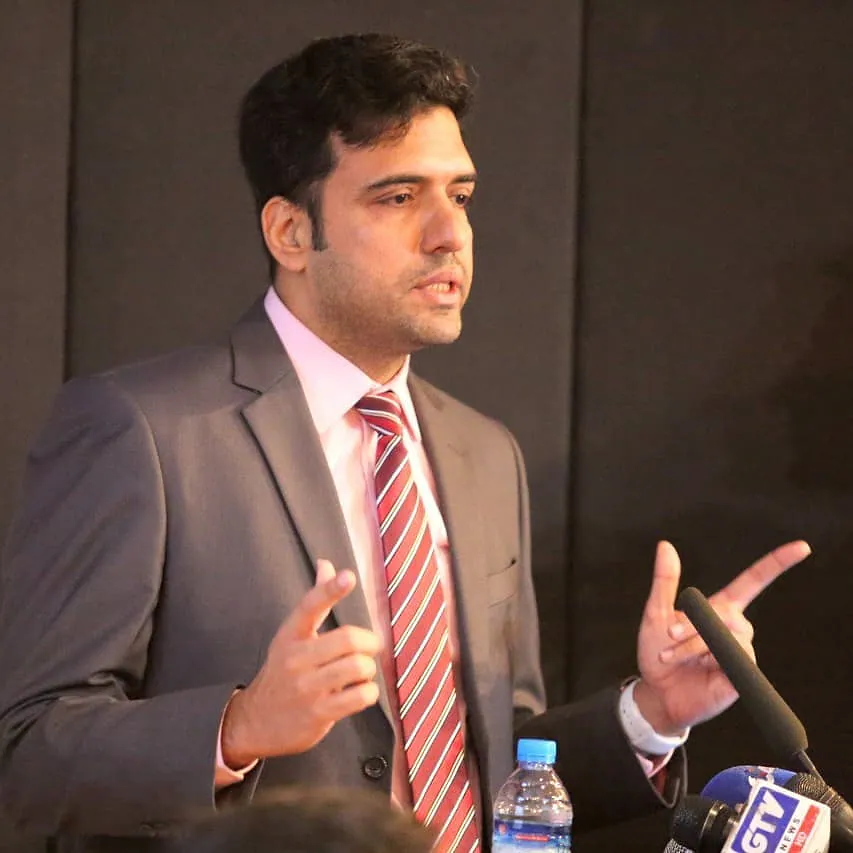
At the Information Technology University in Lahore he founded the Data Science Lab and, in 2018, the Crime Investigation and Prevention Lab.
As principal investigator he brought in more than PKR 100 million in research grants from the Higher Education Commission, the World Bank and the Planning Division. The labs worked on crime patterns with the Government of the Punjab, dengue control, Metro Bus data and an Urdu-Hindi dictionary app, with partners at LUMS, KAUST, Eindhoven and the University of Pisa.
What colleagues say.
“Dr. Kamiran is a leading expert in the area of discrimination-aware data mining, which is an important topic in Artificial Intelligence. He has very rich research experience in AI and data science field. He also has great vision on filling the gap between academia and industry.”
Xiangliang ZhangAssociate Professor, University of Notre Dame
“Faisal is an excellent data mining expert. He is highly knowledgeable and gives a full dedication to a project he is into.”
Mykola PechenizkiyFull Professor, Chair of Data Mining, Eindhoven University of Technology
Work with him
on research.
For collaborations, students, review panels or a lecture, write to him directly.
Get in touch